What is a VPN?
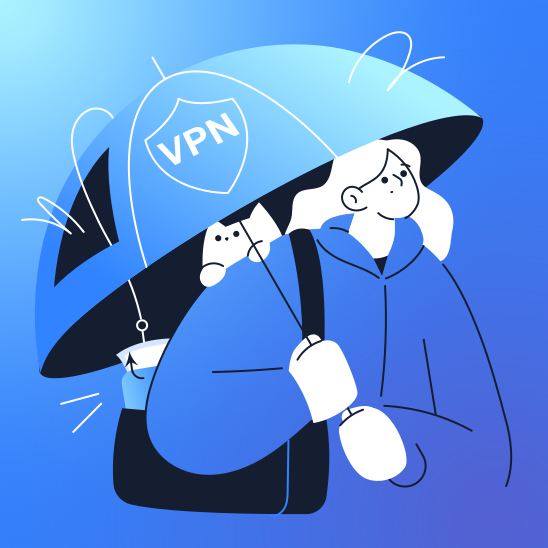
A VPN (Virtual Private Network) is a service that protects your internet connection. It encrypts your traffic and hides your real IP address. Websites and apps see the VPN server's address instead of yours. Choose a server in another country, and they'll treat you as if you were there.
Get BlancVPNWhen do you need a VPN?

On public Wi-Fi
Cafes, airports and hotels rarely secure their networks properly. A VPN encrypts your traffic, so your data stays private even on an open network.

While shopping
Prices for flights, hotels and subscriptions often vary by region. Switch your location with a VPN to see if you can get a better deal.

While traveling
Your usual apps and services may work differently abroad, or not at all. Connect to a location in your home country and get your familiar internet back.

While streaming
Streaming catalogs differ from country to country. With a VPN, you can switch locations and see what's available in other regions.

How does a VPN work?
We explain the process step by step.
You connect through a secure tunnel
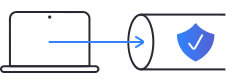
When the VPN is on, your data travels through a secure tunnel. Everything you send and receive is encrypted on your device, before it goes anywhere.
Your traffic passes through VPN servers
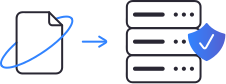
Normally your internet provider can see which sites you visit, and ad networks build a history of what you do. With a VPN, your traffic is encrypted, and the VPN server's IP address appears instead of yours.
The server connects you to the site
The VPN server acts as a middleman — it passes your request to the site and brings back the response. The site sees the server's address, so it assumes you're in the same country.

You browse with peace of mind
No one can see which sites you visit or what you do there. You browse as usual, and the VPN works quietly in the background — turn it on once and forget about it.

The Science Behind VPNs
What is an IP address?
An IP address is a unique number that identifies your device online. Think of it as a return address on an envelope: it tells a website where to send its reply. Every device has one — your computer, phone, Smart TV or gaming console.
How does a VPN change my IP address?
A VPN routes your traffic through one of its servers, and that server has its own IP address. Websites see that one instead of yours. Connect to a server in Japan, and websites will think you're there.
What do "encryption" and "encryption key" mean?
Encryption turns your data into a secret code. Only the right key can unlock it. The key works like a password — your VPN app decrypts the traffic on your device automatically, so you see normal pages and messages.
What are "kill switch" and "split tunnelling"?
A kill switch cuts your internet connection if the VPN drops unexpectedly, so your data never travels unprotected. Split tunnelling lets you choose which apps go through the VPN and which connect directly.
VPN Protocols
How to choose a VPN
A few things worth checking.
Multiple protocols

High speed
Works on all your devices

Don't trust free VPNs